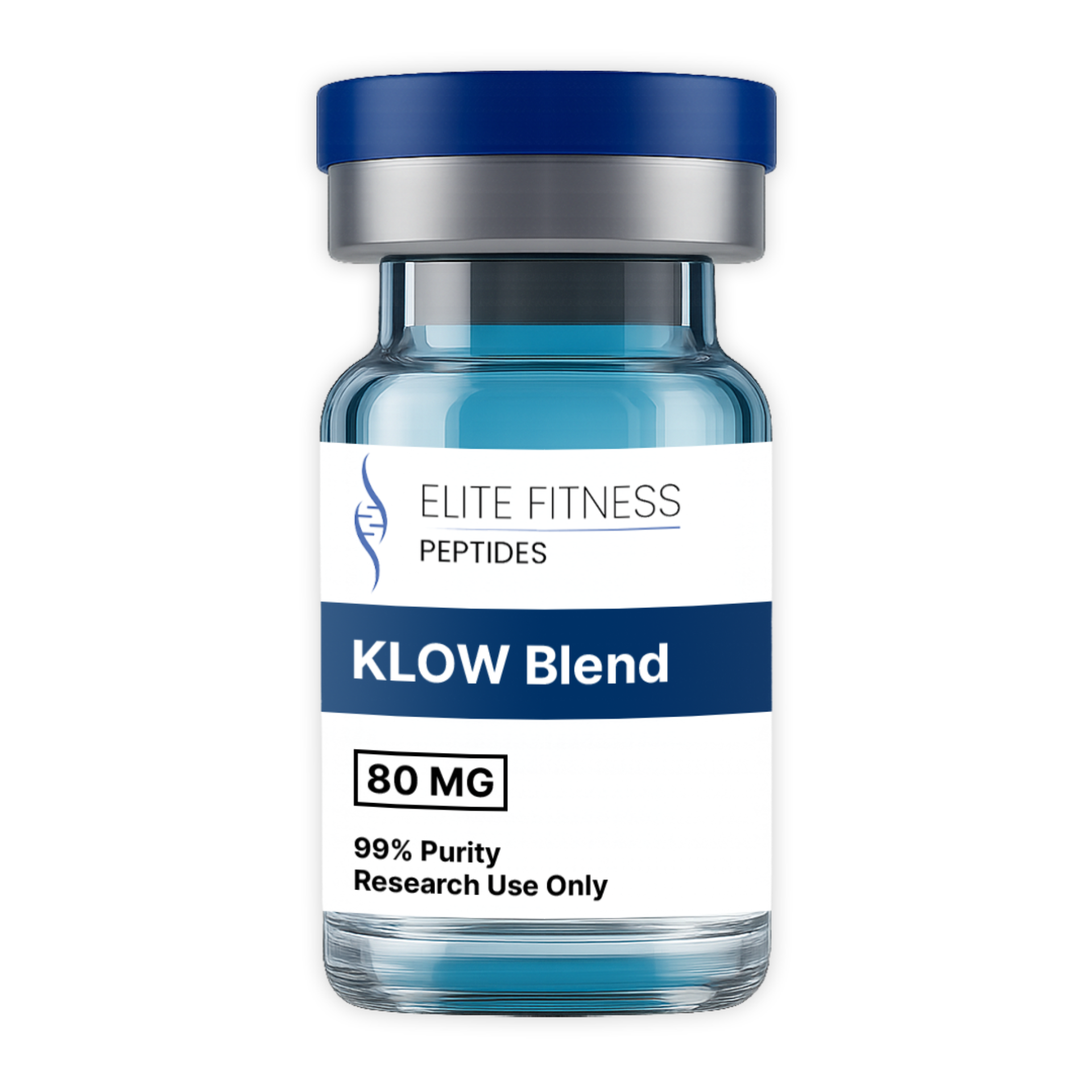

GLP-1 peptides have become one of the most widely studied peptide classes in modern metabolic and endocrine research. Their role in glucose regulation, appetite signaling, and insulin sensitivity has made them central to academic and pharmaceutical investigation into metabolic disorders.
This article explains what GLP-1 peptides are, why researchers study them, and how they are used in laboratory and preclinical settings.
Glucagon-like peptide-1 (GLP-1) is a naturally occurring incretin hormone produced in the intestinal L-cells. It plays a regulatory role in glucose metabolism by signaling insulin release in response to nutrient intake.
In research settings, synthetic GLP-1 analogs such as semaglutide, tirzepatide, and retatrutide are used as experimental tools to study metabolic signaling pathways, insulin sensitivity, appetite regulation, and energy balance.
GLP-1 peptides are studied because they sit at the intersection of multiple biological systems including endocrine, gastrointestinal, neurological, and metabolic signaling.
Research interest focuses on several key mechanisms.
By isolating and modifying GLP-1 molecules, researchers can observe how different receptor binding profiles affect metabolic outcomes under controlled conditions.
In laboratory and preclinical environments, GLP-1 peptides are used as reference compounds, receptor agonists, and signaling probes.
They are commonly applied in the following research models.
These studies help researchers understand how incretin pathways influence broader metabolic systems and how modifications to peptide structure change biological behavior.
Different GLP-1 analogs have different amino acid substitutions, fatty acid chains, or dual-agonist properties. These structural changes alter how the peptide interacts with receptors, how long it remains active, and which tissues it influences.
For example, dual-agonist peptides that target both GLP-1 and GIP receptors allow researchers to study how multiple incretin pathways interact in metabolic regulation.
GLP-1 peptides supplied by research vendors are intended strictly for laboratory and educational use. They are not approved for human or veterinary administration unless explicitly authorized by regulatory bodies.
All handling, storage, and use should follow institutional safety protocols and local regulatory requirements.
GLP-1 peptides provide researchers with a powerful tool to study metabolic signaling, appetite regulation, and insulin dynamics. Their versatility and biological relevance make them central to modern endocrine and metabolic research.
As peptide science continues to evolve, GLP-1 remains one of the most important frameworks for understanding how hormones regulate energy balance and glucose homeostasis.
Research Use Disclaimer
The information on this page is provided for educational and research purposes only and is not intended to diagnose, treat, cure, or prevent any disease. Products referenced are for research use only and are not for human or animal administration. All use must comply with applicable laws, regulations, and institutional protocols.